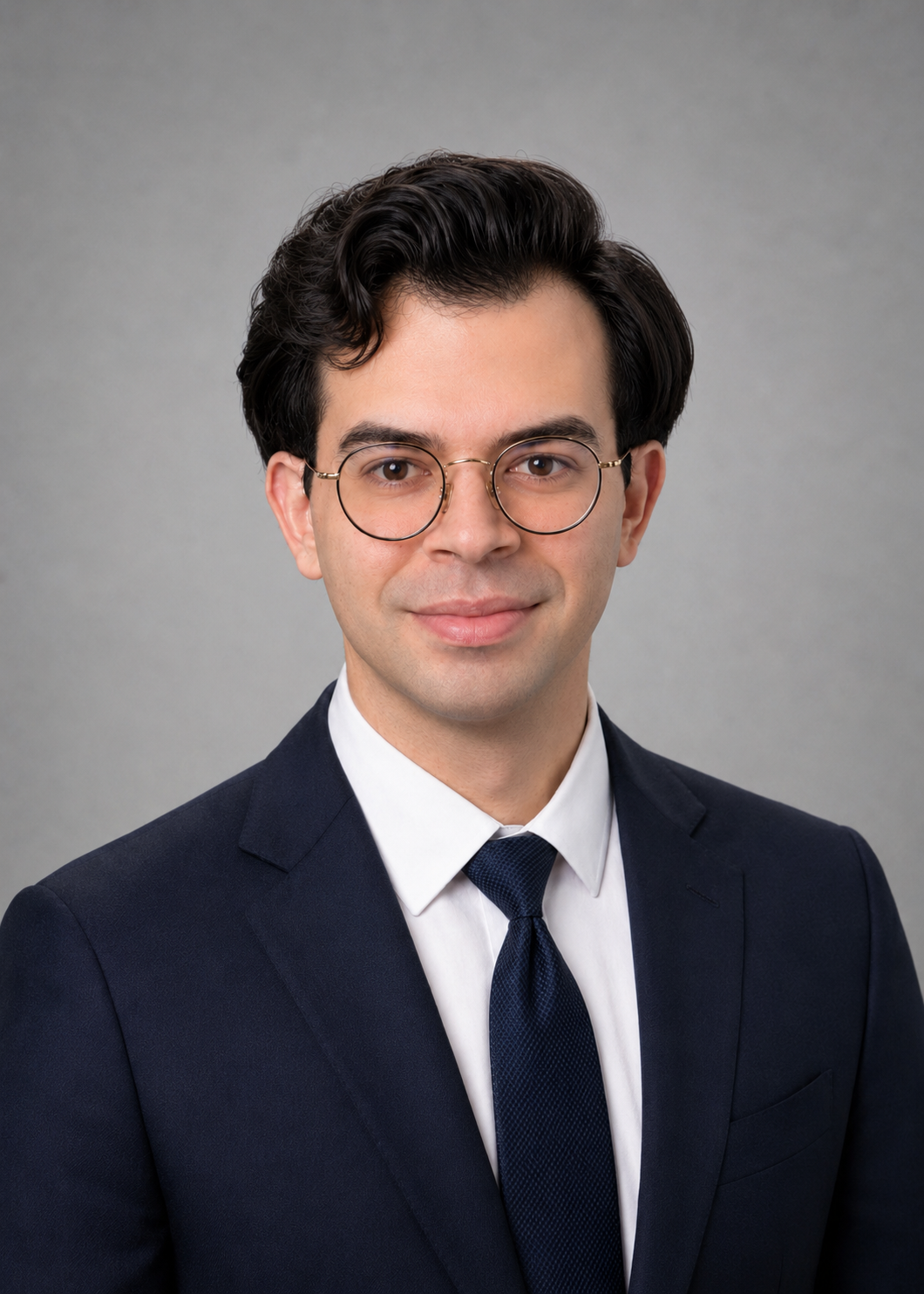
Research Fellow
Harvard Medical School
Department of Neurology
PHYSICIAN-SCIENTIST · AI ENGINEER
Building human-centered AI for neurology — across neurocritical care, neural interfaces, and the systems that shape clinical decisions.
I’m a physician-scientist and AI engineer working at the intersection of neurology, neurophysiology, and generative AI.
My work spans clinical LLM evaluation, epilepsy data science, brain–computer interfaces, and the design of tools that can make complex clinical workflows safer and more useful. I care about the moment when a promising model meets a real patient, a real clinician, and a real decision.
Today I’m a Research Fellow at Harvard Medical School and a Postdoctoral Research Fellow in the Epilepsy Division at Beth Israel Deaconess Medical Center. I also lead AI Engineering at BRIDGE GenAI Lab.
Visit BRIDGE GenAI LabHarvard Medical School
Department of Neurology
BIDMC Epilepsy + Data Science Lab
Department of Neurology
BRIDGE GenAI Lab
Safe AI. Real Medicine.
My work asks how intelligent systems can remain useful and answerable to people: in high-stakes clinical care, through neural interfaces, and in the objectives we give our systems.
How do we build systems that extend human capability without losing human judgment?
Studying the gap between what an AI system optimizes and what people actually need: context, judgment, empathy, and responsibility.
Language models and neural interfaces for communication, control, and restoring agency in neurological disease.
Neurocritical care and disorders of consciousness, where clinical examination, recovery, and uncertainty meet at the bedside.
Selected studies on clinical uncertainty after acute brain injury, generative AI in neural interfaces, and evaluation beyond a narrow task objective.
Evaluating whether clinical AI remains aligned with patient needs, clinician judgment, and the responsibilities that matter beyond a narrow task objective.
Read the paperA systematic review of how large language models are being integrated into brain–computer interfaces for assistive communication and control.
PubMed recordA large-cohort study showing how bedside command-following after acute brain injury can return early, fluctuate, and depend strongly on sedation.
Neurocritical CareMedicine, engineering, and research have never been separate tracks. They are the same work viewed from different angles.
Research Fellow and Postdoctoral Research Fellow in Neurology, Epilepsy Division. Head of AI Engineering at BRIDGE GenAI Lab.
Research Fellow in the Windreich Department of AI & Human Health, developing AI-agent methods for clinical workflows.
Researcher in the AI in Neurology Lab, building INSPIRE and Neuro-Copilot across clinical neurophysiology and decision support.
Doctor of Medicine, with research across neurology, neuroimmunology, clinical AI, and medical evidence synthesis.
Preclinical medicine and teaching assistant in neuroanatomy, leading cadaveric laboratories and tutorials.
Peer-reviewed research, accepted manuscripts, and ongoing work across clinical AI and neurology.
Google ScholarResearch partnerships, clinical AI, and neurotechnology with a human point of view.
Hard problems in clinical AI, neurology, and neurotechnology. If the question matters to patients or the people caring for them, I’d be glad to hear from you.
Email Alon agorensh@bidmc.harvard.edu